Graph-grounded financial world model

Built for
equity research

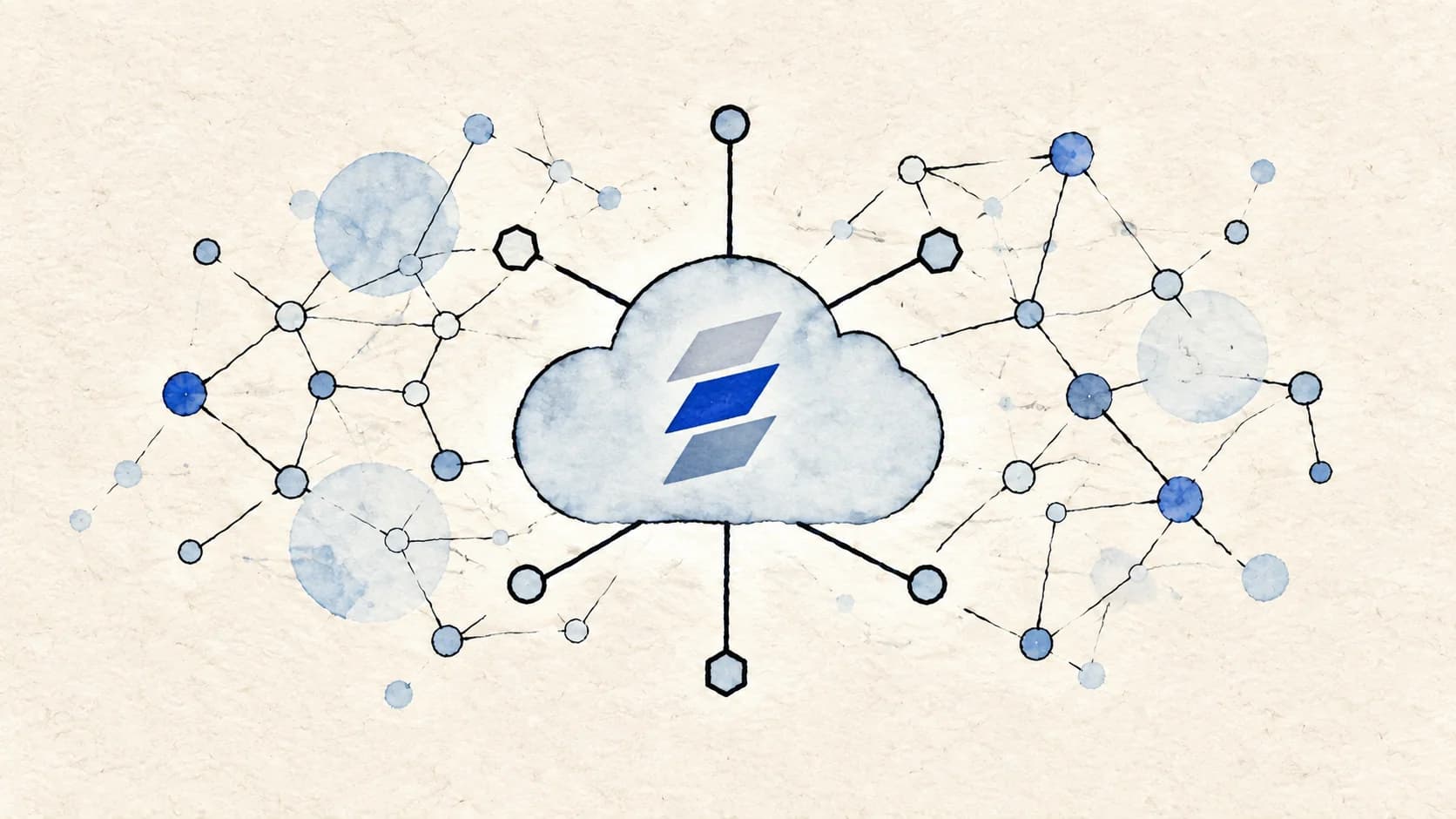
FinCatch is building a graph-grounded financial world model for complex markets. Our system brings together events, entities, filings, transcripts, market data, and relationships so LLMs and agents can work from connected context instead of isolated text.

Live on real data, growing in depth every week.See what makes the graph different
Our mission

Capture the market as it really works.

We want to better capture the world and retrieve the right data for agents to execute analysis in a complicated market. That means building a system that understands entities, events, relationships, time, and change well enough to support real reasoning rather than shallow retrieval.

Why it matters

Better retrieval is only the start.

In a complicated market, useful analysis depends on grounded structure. FinCatch gives agents a richer substrate for monitoring, comparison, memory, and explanation so financial reasoning can build on connected market context.

Backed by and Partnered With

What powers it

FinGraph is the foundation, but it becomes truly useful when financial context persists, execution stays contained, and workflows are ready to run from day one.

Power 01

FinGraph: a knowledge graph built for markets

FinGraph models companies, events, relationships, timelines, and market impact as connected financial context. That gives FinCatch a durable structure for retrieval, reasoning, and ongoing analysis.

Power 02

Persistent context that compounds

FinCatch keeps research, files, notes, outputs, and working state alive across sessions, so the system can reason across the full history of work instead of restarting from zero each time.

Power 03

Secure, isolated workspaces

Each user operates inside a contained environment designed for sensitive financial workflows, giving stronger separation of data, tools, and processes for professional use.

Power 04

Finance-ready from day one

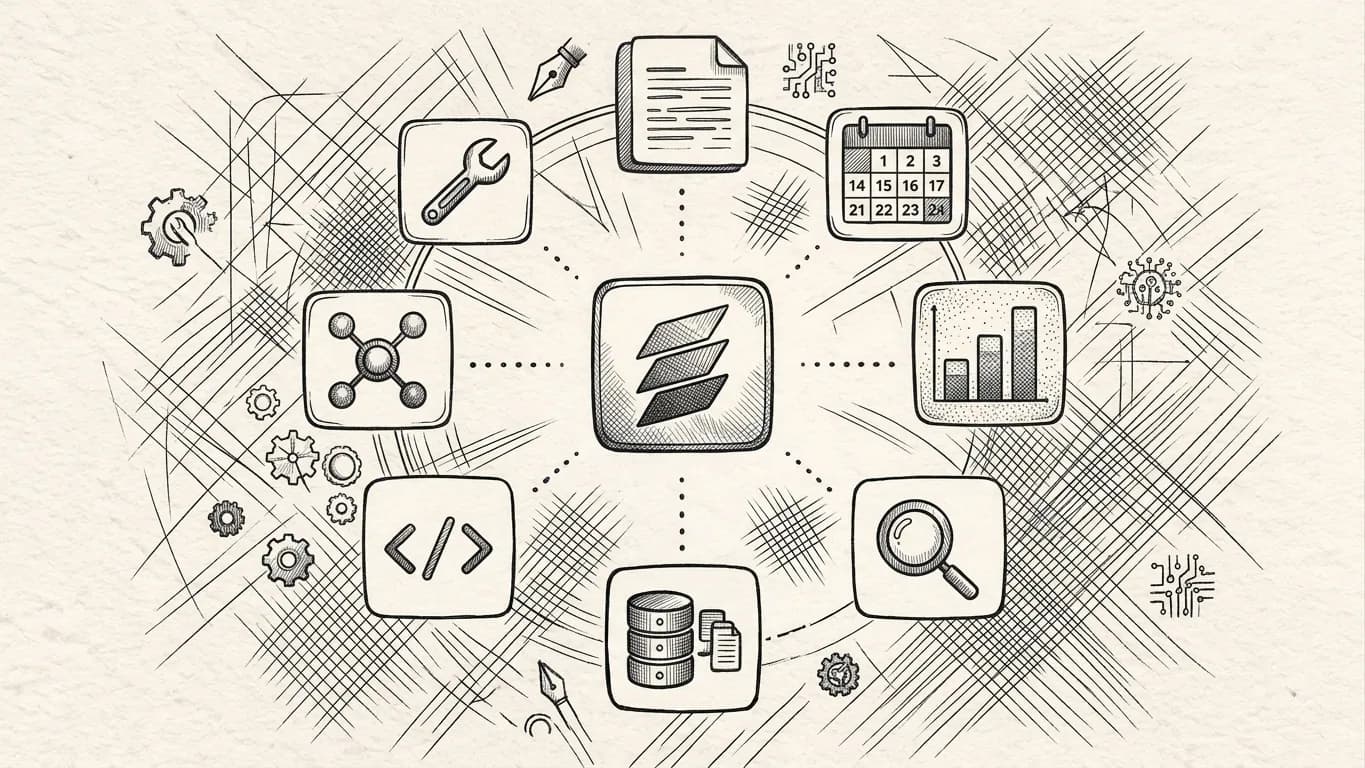
FinCatch comes with curated financial skills, connected APIs, environment setup, and workflow tooling already in place, so teams can start working immediately without stitching together infrastructure first.

What makes our graph different

FinCatch uses the idea of a richer knowledge surface for LLMs, but we express it as a financial world model. That means more market data, more temporal structure, more explicit relationships, and a stronger foundation for financial analysis.

Model 01

Event-centric by design

Our pipeline transforms raw text into structured events and linked facts, then stores them in a Neo4j knowledge graph. Events are first-class objects that can be enriched, compared, linked into follow-on chains, and connected back to companies, products, risks, filings, and market reactions.

Model 02

Connected structure for financial reasoning

The graph links companies, people, products, industries, countries, reports, risk factors, macro indicators, commodities, FX pairs, analyst ratings, and more into one system. That structure gives agents an explicit map of relationships to traverse when understanding impact, exposure, spillover, and second-order effects.

Model 03

Temporal story chains, not isolated facts

FinCatch matches related events into FOLLOWEDBY story chains so users can trace how a narrative evolves over time. That makes monitoring and analysis far more useful, because a user can follow the progression of a market story instead of reading disconnected items one by one.

Model 04

Grounded in finance-specific data

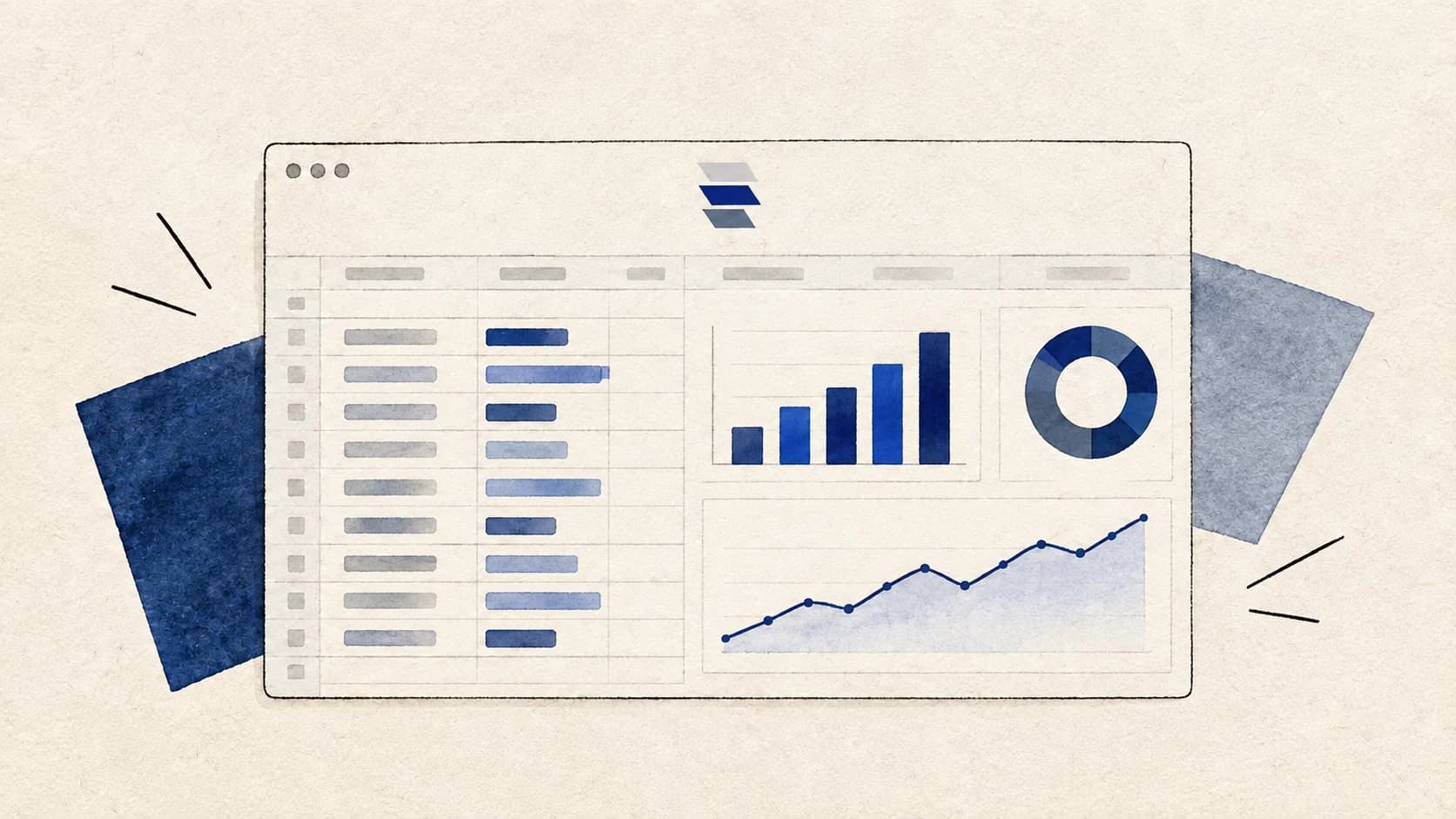
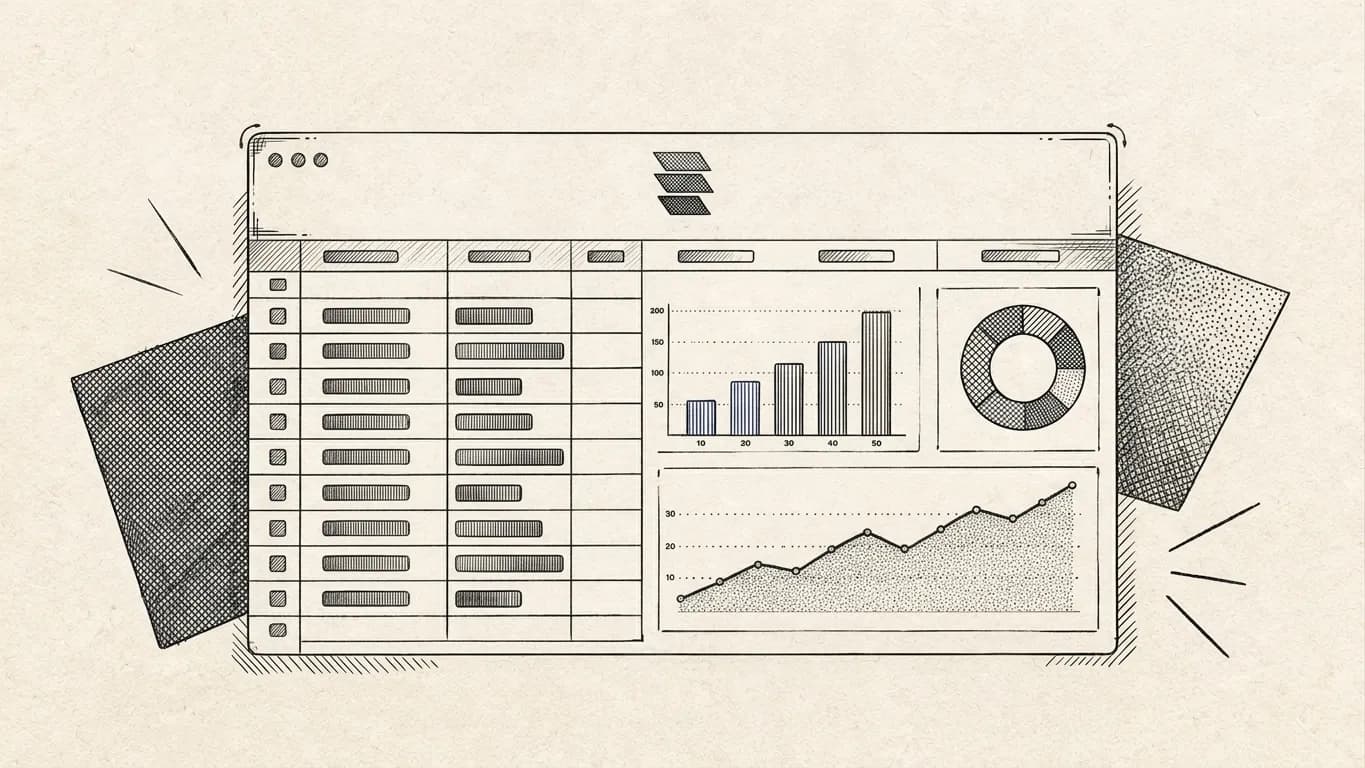
The platform ingests financial news, earnings transcripts, SEC filings, prices, estimates, holdings, and calendars, then enriches the graph with forward returns, event impact, earnings surprises, and guidance tracking. That finance-specific substrate makes the system more useful for analysis than a generic knowledge layer.

From analysis to ongoing workflows

FinCatch is built for active financial work. The platform can monitor markets, refresh context, run recurring research tasks, and support forward-looking analysis so users can move from one-off questions to continuous workflows.

Workflow 01

Monitoring that keeps running

FinCatch can run ongoing market monitoring workflows that continue beyond a single session, helping users track event chains, company developments, and market-moving signals over time.

Workflow 02

Recurring research and reporting

Users can set recurring tasks for market wrap-ups, company updates, report writing, and other periodic research outputs, so the platform produces work continuously instead of waiting for each prompt.

Workflow 03

Financial modeling with persistent context

Modeling becomes more useful when assumptions, source material, prior outputs, and evolving market context stay connected, allowing financial models to be revised and extended instead of rebuilt from scratch.

Workflow 04

Scenario exploration and forward views

FinCatch can support agentic simulations and predictive workflows that explore how events, narratives, or market conditions may evolve, giving users a structured way to examine possible outcomes rather than only react to what already happened.

How FinGraph powers financial intelligence

FinGraph is the core context layer behind FinCatch. It gives models and workflows a shared financial substrate, so analysis can build on the same entities, events, timelines, relationships, and market links instead of restarting from isolated prompts.

Agents 01

A graph as the shared system of understanding

FinGraph gives FinCatch a shared system of understanding across companies, events, relationships, and timelines. That common structure lets analysis, retrieval, and workflow logic operate on the same market reality instead of generating answers from disconnected context.

Agents 02

Autonomous monitoring with memory

Monitoring becomes more useful when context stays alive. FinCatch can follow event stories, preserve working memory, and query FinGraph-grounded market context over time, so monitoring feels like an ongoing process rather than repeated prompts against a blank state.

Agents 03

Deep analysis from connected context

FinCatch can move through FinGraph queries, vector retrieval, entity resolution, and correction workflows while answering financial questions. That gives models a richer context layer for synthesis, follow-up, comparison, and explanation.

Agents 04

Agents work inside the graph

FinCatch agents operate inside FinGraph and contained workspaces built for continuity, separation, and control. That makes the platform a better fit for sensitive financial work, where persistent context and secure execution matter as much as raw model output.

What we are building

We think financial AI needs a richer context layer: one that understands entities, events, relationships, time, and change well enough to support real reasoning instead of shallow retrieval.

What is FinGraph and why does it matter?

FinGraph is our financial world model: a connected graph of companies, events, relationships, timelines, and market signals that gives agents a durable structure for retrieval, reasoning, and ongoing analysis.

Who are we building this for?

FinCatch is designed for equity research, portfolio work, trading, risk analysis, and adjacent financial workflows that need connected, explainable context instead of one-off black-box answers.

How do language models and structure work together here?

We pair language models with FinGraph, workflows, and market data so analysis can move through graph queries, retrieval, and modeling steps while still feeling like a natural language interface.

What does it mean to turn results into living theses?

We turn search, monitoring, and analysis into ongoing theses for each company, sector, and theme, keeping context, sources, and prior work connected so views can evolve over time rather than restart from scratch.

A better substrate for financial intelligence.

FinCatch combines an event-centric graph, a multi-agent system, and LLM interfaces into one platform for research, monitoring, and analysis.

Explore the Beta